Home Blog Page 312

Andy Murray: Former two-time champion falls to battling defeat against Tomas Machac at Miami Open | Tennis News

0

[ad_1]

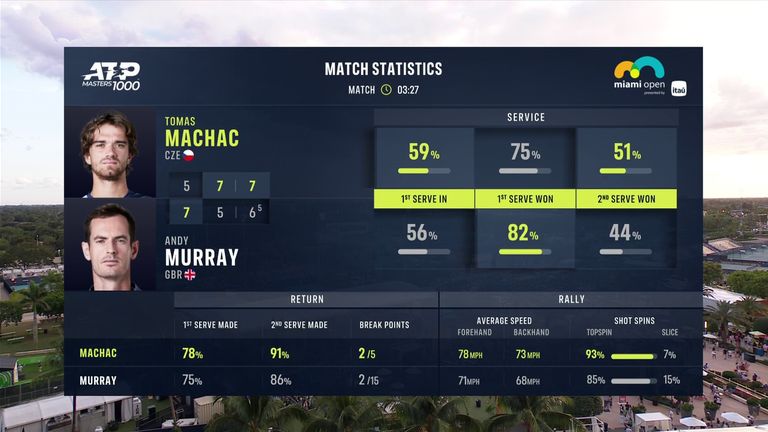
Andy Murray received treatment on his ankle in the deciding set before losing to inspired Czech Tomas Machac 5-7 7-5 7-6 (7-5) in an epic encounter at the Miami Open on Sunday.

After winning the opening set, 36-year-old Murray appeared to be on course for a spot in the fourth round of the tournament he has won twice previously.

But he raged at umpire Carlos Bernardes for failing to control the movement of spectators around the Butch Buchholz court as he lost his serve at the end of the second set.

Please use Chrome browser for a more accessible video player

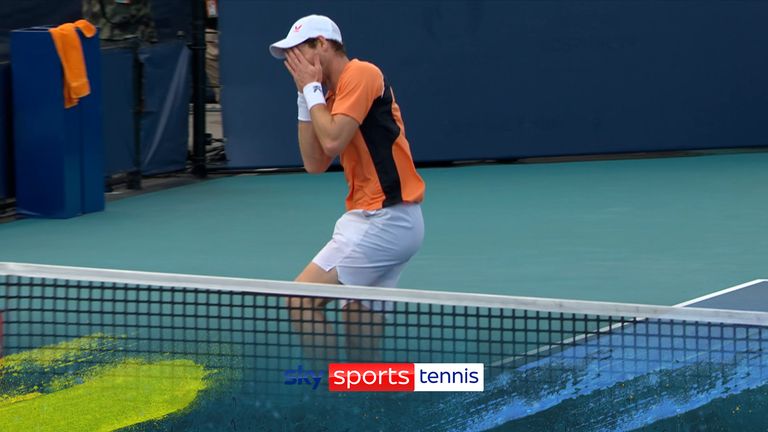
Murray battled on despite turning his ankle in the deciding set

Please use Chrome browser for a more accessible video player

But he lost his cool with umpire Bernardes during his defeat

Machac then raced into a 3-0 lead in the decider, although Murray battled back before receiving medical treatment following an awkward landing on his ankle at 5-5.

The former world No 1 managed to drag the contest into a tie-breaker but Machac conjured up four points in a row from 5-3 down to win a marathon encounter lasting three hours and 27 minutes.

“It’s always a pleasure to share the court with such a great legend. So first of all, I’m happy that I can play this long match against him. But on the opposite, I don’t want to play so long!” Machac said in his on-court interview.

“But at the end, there was everything… I pushed myself from the bottom to manage to win today.”

Please use Chrome browser for a more accessible video player

The former world No 1 broke Machac with this sizzling winner on his way to winning the first set

Murray had taken the first set after finally capitalising on his ninth break point and, following a 40-minute rain delay, the second set looked destined for a tie-break until Murray lost his serve in the 12th game.

The 36-year-old’s frustrations with fans moving between points boiled over and he could be heard shouting to Bernardes: “Useless, useless.”

In response to an unheard reply from Bernardes, Murray responded: “What are you talking about? It’s quite obvious when people are standing up between every single point.”

It was no surprise that a distracted Murray then lost his serve at the start of the decider but Machac was unable to close out the match at 5-3, serving two double faults as he let Murray back into the contest.

Please use Chrome browser for a more accessible video player

Murray conjured up this vintage lob to add to his collection

Murray looked to have all the momentum but then seemed to twist his ankle as he ran towards the net after levelling at 5-5, the three-time Grand Slam champion thankfully able to continue after being assessed by a tournament physio.

In typical fashion Murray refused to throw in the towel and saved a match point on his own serve to take the contest to a decisive tie-break which he led 5-3, only for Machac to reel off four points in a row to complete a remarkable win.

“Today for sure, it was the toughest match of my career,” Machac said. “Really, I can say there was everything [in the third set].”

After the match, Murray took a long moment to thank the crowd before signing autographs as he departed.

Machac will next play Italian Matteo Arnaldi, who ousted Denis Shapovalov 6-3 7-6 (9-7) earlier in the day.

Tale of the Tape

Andy Murray vs Tomas Machac

MacLagan: Everyday stuff from Murray

“Three stunning points from Machac. Four points to finish the match out from 5-3 down in the tie-break. What an effort!,” said commentator Miles MacLagan on Sky Sports Tennis.

“It’s everyday stuff from Murray. We see that all the time but not coming out on top – that will hurt.

“Fighting back in that third set so admirably. We talk about his indomitable spirit, well that was matched by Thomas Machac who played some absolutely stunning tennis.

“Machac quality just kept getting in the way.”

Please use Chrome browser for a more accessible video player

Highlights of the match between Australian Open champion Jannik Sinner and Tallon Griekspoor

Elsewhere, Australian Open champion Jannik Sinner recovered from a set down to beat Tallon Griekspoor 5-7 7-5 6-1, but Hungary’s Fabian Marozsan caused a major upset as he knocked out world No 7 Holger Rune 6-1 6-1.

“It is a great feeling to play at the highest level,” Marozsan said.

“I try to play my best tennis and today against a top 10 player and I am enjoying my time here. I try to play my best tennis.”

How to watch play on Sky Sports Tennis

The stars of tennis will appear on the new Sky Sports Tennis channel every day
Image:
The stars of tennis will appear on the new Sky Sports Tennis channel every day

Sky Sports has confirmed a new home for tennis in the UK and Ireland, with Sky Sports Tennis on Sky and NOW, making tennis content available all day, every day for fans.

Sky Sports will broadcast more live tennis than anywhere else, bringing over 4,000 matches from more than 80 tournaments a year on the ATP and WTA Tours, as well as full coverage of the US Open, all exclusively live.

Non-Sky subscribers can stream live matches with a NOW Sports Day and Month Membership, via Sky Sports Tennis, Sky Sports Arena, and Sky Sports Mix channels.

For further access, fans will also be able to follow their favourite players and gain deeper insights from both Tours via Sky Sports News, the Sky Sports app, on SkySports.com and via Sky Sports social channels.

Please use Chrome browser for a more accessible video player

Find out all the ways to watch tennis on Sky Sports, including the US Open, ATP and WTA tours

Get Sky Sports on WhatsApp!

You can now start receiving messages and alerts for the latest breaking sports news, analysis, in-depth features and videos from our dedicated WhatsApp channel!

Find out more here

Watch the WTA and ATP Tours throughout 2024 on Sky Sports Tennis. Stream Sky Sports Tennis and more with a NOW Sports Month Membership. No contract, cancel anytime.

[ad_2]

Source link

Cleveland Police Surveillance Oversight Committee to Meet After 2022 Pledges

0

[ad_1]

As Cleveland spends millions on new license plate readers and surveillance cameras, some residents fear that police officers will soon be able to track their movements.

Activists say police could feed the camera images into facial recognition software to identify people on the street or near crime scenes, leading to discriminatory policing practices, especially in communities of color.

The concerns are amplified after Mayor Justin Bibb’s stalled efforts in creating a technology advisory committee to address privacy and civil rights concerns over how police use the powerful surveillance tools.

Bibb’s pledge to form the committee from City Hall employees came after The Marshall Project – Cleveland reported in September 2022 that the city lagged behind others in sharing policies and details when police deploy powerful digital tools.

Kareem Henton, a leader of Black Lives Matter Cleveland, said the city can’t be trusted to operate the cameras and other electronic tools without citizen oversight.

“We know they’re not truthful,” Henton said. “Look at their past. It’s all intentional. They get these tools and will soon sneak in other ways to use them.”

Cleveland police have faced numerous civil rights lawsuits and paid out millions to settle excessive force claims since 2010.

Sarah Johnson, the mayor’s spokesperson, said the committee is designed to increase transparency and foster dialogue about technology being used by Cleveland police. The committee’s work will not be limited to camera deployment, she added.

A meeting is now scheduled for March 25.

“Public Safety is our number one priority and we want to collaborate with the citizens, as we all want the same outcome, a safer city,” Johnson wrote in an email. “There are a lot of technological advancements that will enhance our ability to better serve the residents. We want to move forward with transparency.”

Since early 2023, The Marshall Project – Cleveland has repeatedly asked the Bibb administration for committee updates. Leaders reiterated that planning was ongoing — but it wasn’t, records show.

In fact, no movement occurred until early February of this year, a week after The Marshall Project – Cleveland again asked about Bibb’s 15-month-old promise.

On Feb. 6, Jakimah Dye, Cleveland’s assistant safety director, sent emails seeking volunteers for a closed-door committee to meet March 25 to “increase communication, transparency and to provide updates on technology utilized by” police, records show.

Emails went to members of the Police Department, Public Safety, Information Technology and the Police Accountability Team, records show.

Among other duties, the committee’s focus is to review technologies already in place, the technology’s purpose, vendor contracts and whether using the tools violates constitutional protections, records show.

Dye could not provide any details about the Technology Advisory Committee when questioned during the council’s Safety Committee Feb. 7 meeting by Councilman Mike Polensek, who chairs the Committee.

Polensek told Dye he would like the technology committee to appear before the Safety Committee to discuss its work.

The following week, The Marshall Project – Cleveland asked then-Safety Director Karrie Howard why his top aide could not provide details on the Technology Advisory Committee.

Howard acknowledged he had no public records, aside from the emails, that show he did any work toward forming the committee during the past 15 months. But he stressed the committee idea remained at the forefront of his office goals.

“I had it written on my whiteboard,” Howard said. “That is where I do my best thinking.”

He also said the committee would not meet in public but would instead issue a report after a quarterly meeting. When asked how taxpayers could rely on the accuracy of the reports compiled from those closed-door meetings, Howard said: “You’ll have to trust us.”

A photograph of a Black man wearing glasses and a suit speaks into news microphones attached to a podium.

Weeks later, Howard abruptly resigned.

The committee will consist of 10 people from the city’s departments of Information Technology, Police, Public Safety, the Police Accountability Team and the Community Police Commission.

“The Technology Advisory Committee is one of many investments by the Department of Public Safety and the City of Cleveland to provide the most advanced and effective policing to our citizens, maintaining a collaborative spirit in the heart of everything we do,” according to a statement from Bibb’s spokeswoman.

Many other cities that fell under federal consent decree agreements to reform their troubled departments have become more transparent over the deployment of cameras and other technology.

The police often explain to citizen oversight panels details such as whether any data will be collected and for how long it will be kept. The police also have to detail any potential infringements on people’s privacy and civil rights, and what safeguards are in place to guard against misuse.

The consent decree reached between the Cleveland Division of Police and the U.S. Department of Justice in 2015 created a blueprint designed to repair community relationships and reduce excessive force complaints, which have plagued the division and largely triggered the federal intervention.

Created under the consent decree, the Cleveland Community Police Commission consists of citizen members who gather community feedback and review police policies and training related to transparency, bias and how police interact with the residents.

The commission can also override police discipline decisions made by the safety director and police chief. The independent body of 13 members draws its budget from the city’s General Fund.

The Cleveland Community Police Commission urged Bibb in May 2022 to form a technology committee.

Life Inside

Essays by people in prison and others who have experience with the criminal justice system

The Bibb administration needs to act quickly to form the technology committee to prevent potential abuses, said Jason Goodrick, interim executive director of the Cleveland Community Police Commission.

“The only way to identify misuse is by a committee,” Goodrick told The Marshall Project – Cleveland. “The police commission is taking this seriously. It’s politics above good policy at City Hall.”

Since Bibb announced his pledge to create the technology committee, the city has spent millions more on new high-tech tools.

On Aug. 8, the city installed its first Flock License Plate Reader Camera. Within two months, 100 of them were installed across the city at high-traffic intersections, records show. The total cost is $250,000.

The license plate readers take still photos of passing vehicles to scan their plates. Each scan is logged and cross-checked with a database to see if police are searching for the vehicle.

If an officer issues an alert for a license plate for things such as a stolen car or an Amber Alert for missing children, the system will signal the officer.

The city created a policy governing the use of the readers. In a statement, Sgt. Wilfredo Diaz, a police spokesperson, declined to reveal the camera locations.

As of Feb. 15, the city has deployed 125 in-car dash cameras with license-plate readers. Another 175 cameras will be deployed later. Each camera costs nearly $6,300, totaling nearly $1.9 million.

The in-car dash cameras have been installed, but they will not go live until a final policy is completed, Diaz said in a statement.

The city plans to have the Community Police Commission, the Department of Justice and federal monitors review the policy before the tools are activated, the statement said.

Police Chief Wayne Drummond told the City Council’s Safety Committee on Feb. 7 that police are taking steps to prevent any privacy abuses with the 100 Flock cameras by limiting access to a small number of officials.

He called the Flock cameras an “invaluable tool” that helped solve 12 homicides since they came online last year.

Cleveland leaders say they want to avoid lawsuits over the technology filed by residents in other cities.

“The privacy standpoint is really important to understand,” Drummond, who is now the interim safety director, told the Safety Committee.

“We’re not looking at individuals. We’re looking at vehicles. We’re not targeting anyone.”

[ad_2]

Source link

Letting Go of Armor, Leaning Into Authenticity, and Why Wit & Delight Is Still Here | Wit & Delight

0

[ad_1]

A woman is on a beach at sunset, jumping into the air while looking toward the horizon

You might have wondered last summer: Why is Kate compelled to continue to be here? Why not sell what’s left of Wit & Delight and move on like so many of her peers did? 

My answer to you disappoints. Because really, I don’t know. But I do know the roads that pointed away from writing felt like being sucked into a black hole. I had a choice of which abyss I would fall into. 

The question that came—What else could I do?—had an answer: This is what I do best

While the road away from Wit & Delight was the ultimate self-betrayal, I refused to face it for months. Because while I knew I couldn’t let it go, I also couldn’t bear the shame of staying. 

Staying required I pay a price: that I face the questions I did not hold answers to.

How do I be who I am?
How do I be who I am when the price is daily criticism? 
How do I be who I am when I don’t know who holds the switch: me or you, the reader? 

When the Armor Falls Away

In June, I was listening to an interview with Brené Brown on one of my many walks, her words floating over the vibrations of my steps ringing between my ears. 

In the interview, Brené talks about the armor we all collect throughout our lives. Armor is the protective behaviors and attitudes we adopt to shield ourselves from perceived vulnerability, shame, or judgment. These behaviors can include things like perfectionism, cynicism, people-pleasing, emotional numbing, overachievement, and withdrawing from relationships.

The armor serves its purpose to help us feel safe when we venture out into the world and break free from our family unit—to find love, work, and life outside the comfort of the familiar. 

The cost of this armor is vulnerability; the armor is often born from the fear of being seen as inadequate, flawed, or unworthy. We believe it will protect us from the pain of this vulnerability: rejection, criticism, or disappointment. 

It works until it becomes too heavy to carry. Then it falls away.

Brown says this process of falling away happens between our late thirties and mid-fifties.

I pick up my pace. No, no, no. I’m not ready. 

I was about to get a lesson on the difference between understanding the concept of vulnerability and actually living it. 

My armor turned to dust and evaporated from my body in the heat of July. I felt naked, afraid, and exposed, and wanted the shelter of home and the naivety of my childhood. I found myself crouched down with my kids, my eyes at their level, barefoot, rolling in the grass, asking them questions about their imagined worlds. We made messes, cookies, and gloopy Play-Doh sculptures, stayed up late, and smelled of salt, earth, sweat, and love. Their worlds were not imagined. They were lived. 

Kids aren’t half-baked versions of adults. They are whole and intact, yet to be bent and squished and shaped into versions of themselves they’ll come to undo later in life. How wise they are; how shortsighted we are not to see them as teachers.

I threw them around in the lake, jumped off docks, and rushed down water slides. They blinked back at me, little buddhas of joy and delight. Kids aren’t half-baked versions of adults. They are whole and intact, yet to be bent and squished and shaped into versions of themselves they’ll come to undo later in life. How wise they are; how shortsighted we are not to see them as teachers. A guide back home.

Embracing What It Means to Be Human

I started to look at my social media feed differently. I celebrated others’ successes—really celebrated them. My heart burst with joy when I saw longtime peers make huge achievements. Just like any cohort, we’ve moved through the same specific trials and tribulations of our industry, and I know how the sausage is made. I know what they’re made of to get there. And I saw a glimmer of what I was made of, too. 

When I got hot under the collar, I gave way to the anger, owned it, and let it go. I looked at what bothered me or rubbed me wrong and learned the virtue of saying, “No, that’s not for me.” I learned to see envy, disgust, and jealousy as beacons of light on a foggy shore. I swam toward them with curiosity, spelunking dark caverns for mined pieces of myself hidden beneath the rubble and ash of my now defunct armor. 

I told my husband how I truly felt when he asked. I did not mince words. I didn’t worry about the heaviness of my humanity or if I was a burden for him to bear. I did not hold on to comments meant to hurt. I didn’t hold on to comments I didn’t understand. 

I felt peace and realized I didn’t have to express every opinion on my tongue. I didn’t have to perform for anyone. I learned the virtue of keeping much of my life private. I learned to sustain criticism and hold space for nuance. I learned to live with multitudes and expansiveness. I had a lot of space to give others once I learned to give myself space. We can all be brave, scared, petty, lustful, bright, brilliant, stupid, silly, frivolous, profound, loving, and cunning—humans with permission to expand fully into our humanity.  

Leaning Into Authenticity—And All That Comes With It

Part of allowing yourself to be who you are is being open to all the implications of your authenticity. You’ll find people who are for you, people who are against you, and people who don’t see you at all. But you’ll never know who is who unless you allow them to meet you. 

I was searching for the answers to How to Be Me. 
I was searching for my next chapter to avoid facing the end of this one.

I found neither.

What I did find is the courage to be open to unanswered questions. 
The courage to contain multitudes.
The courage to extend grace to others. 
The courage to live and write and be here without the armor.

Part of allowing yourself to be who you are is being open to all the implications of your authenticity. You’ll find people who are for you, people who are against you, and people who don’t see you at all. But you’ll never know who is who unless you allow them to meet you. 

We can weave a tapestry out of the rags of our failures. We can assemble new homes from the wreckage of what collapsed. The cost is that to build anew, we must face ourselves. We must face the implications of our pain. We must come to terms with the strength it takes not to turn away from it all. The gift of that discomfort is the pearl—the knowledge that you are not built to break. You can be who you are, fall apart, and have lost nothing at all. 

That’s when I knew why I wasn’t done here. 

Flowers Grown From Cracks

When I think back to the woman who started this site, she is me but is also a version of myself I no longer resemble. She is nestled inside my core. She needed this place to express the seeds of her pain, pain so compressed and hard in her chest it was fused to her organs. This pain was vital to her survival, an inoperable mass inside her. Year after year, this pain gave way to the natural erosion of life and love, like the boulder on the side of a mountain, dotted with little flowers pushing up between the cracks and crevasses, standing delicate and proud in the harshest of climates. 

Then the cracks gave way, and the mass collapsed. This is what remains. 

Am I brave enough to create the conditions for a field of flowers to grow, in a place where only the hardiest tend to survive? Just maybe.


[ad_2]

Source link

10 Valentine’s Day Gift Ideas to Give to Your Love This Year | Wit & Delight

0

[ad_1]

An overhead shot of a woman's feet wearing black flats with black bows on top

Valentine’s Day can often feel like a high-pressure gifting holiday, but the thought behind the gift might actually matter more than the gift itself. With this festive holiday just around the corner, I pulled together some thoughtful gift ideas I love. Some only require a quick online purchase and others call for a bit more planning.

Whether you want to make a grand gesture for a great love or get a small gift for someone new in your life, here are ten Valentine’s Day gift ideas that fit the bill.

10 Valentine’s Day Gift Ideas I Love

$39

For someone whose love language is physical touch, the gift of a great candle and massage oil combo will be a winner. This is one of Dame’s most popular products that both sets the mood and the tone for moments of connection. 

2. An Alone Time Kit

Is their love language quality time… alone? An “alone time kit” is the gift for them. Pull together a basket of things they enjoy doing in solitude. Some ideas: bath products from Detox Market, our Note to Self journal, a really great pen, a skincare device, a robe, and a list of their favorite movies or that new book they’ve been wanting to read. 

3. Play Hookie

Pick a day you’ll both take off work and plan how you’ll spend it. Perhaps it’s an early lunch followed by an afternoon movie. Or maybe it’s a few hours together at the rock climbing gym followed by happy hour at a brewery. Get specific and map out all the details. 

Starting at $80

Flamingo Estate is a lovely brand that has incredible gift sets. Get this one if they love cooking or this one if they’re craving springtime during the long winter months.

5. The Gift of Travel

Consider this the “grand gesture gift.” Book flights and a few nights in a hotel somewhere they’ve always talked about going. If leaving town isn’t an option, opt for a staycation at a beautifully designed hotel with a great spa in your city.

$38 currently on sale for $32

This custom recipe journal will help them keep track of their favorite creations now—and hopefully they can pass it on to someone else decades later. 

7. Something They’ve Always Wanted to Try

Doing something new, even if it is fun, can take a little encouragement from others. Show your support by scheduling your love a cooking class, setting up a tennis lesson, or getting them those weekend writing retreat tickets they were wavering on buying.

8. Cashmere Apparel From Quince

Starting at $30

At these prices, you could wrap your lover entirely in cashmere. For the ultimate cozy gift, get them the full-zip cashmere hoodie, cashmere sweatpants, a cashmere beanie, and cashmere socks

9. Something on Their Wish List

There is no shame in asking someone what they want! Ask for a small list of things they’ve been eyeing and pick one to buy for them. (Psst… I’ve had my eye on this bag for a while.)

$6

If your partner’s having a tough week or month or start to the year, consider how you can show them you have their back. It could be as simple as writing a thoughtful message in a nice card. 

Editor’s Note: This article contains affiliate links. Wit & Delight uses affiliate links as a source of revenue to fund the operations of the business and to be less dependent on branded content. Wit & Delight stands behind all product recommendations. Still have questions about these links or our process? Feel free to email us.


[ad_2]

Source link

Russians Mourn People Killed in Terrorist Concert Hall Attack

0

[ad_1]

Bodies were recovered, flowers were laid and fingers were pointed on Sunday as competing narratives took shape over who was behind the terrorist attack on a Russian concert hall where at least 137 people out to enjoy an evening of music were killed.

President Vladimir V. Putin has hinted that Ukraine was behind the Friday night attack. He stopped short of accusing Kyiv directly, but on Sunday, some of his allies showed no such compunction.

American officials have said that the attack appeared to be the work of an offshoot of the Islamic State, and that there is no evidence connecting Kyiv to it. But many Russian nationalist commentators and ultraconservative hawks are pushing the idea that Ukraine is the obvious culprit.

A pro-Kremlin analyst who is a regular on Russian state television, Sergei A. Markov, wrote in a post on Telegram that the Kremlin must work at isolating the Ukrainian leadership by “connecting the terrorist act not with ISIS but with the Ukrainian government as much as possible.”

Russian state news outlets barely mentioned that ISIS itself claimed that it was responsible for the attack at Crocus City Hall, a concert venue in the outskirts of Moscow. The ISIS offshoot U.S. officials believe was tied to the attack, the Islamic State Khorasan, which is known as ISIS-K, has been active in Pakistan, Afghanistan and Iran.

Late Sunday, four men who appeared to have been badly beaten appeared in a Russian courtroom and were charged with committing a terrorist attack.

Three of the men told the court they were from Tajikistan, and according to Russian news outlets, the fourth suspect is, too. The Islamic State has attracted thousands of adherents from countries in Central Asia, including Tajikistan.

All four suspects had visible bruising, and one had bandages on his head. Another had to be wheeled in and out of the courtroom. Videos purporting to show the men being brutalized while under interrogation have been circulating widely on Russian social media.

On Sunday, a spokeswoman for the Russian Foreign Ministry, Maria V. Zakharova, said that the West was pointing at ISIS-K to shift the blame away from Ukraine. Russia has not presented any evidence of Ukraine’s involvement, and Ukrainian officials have dismissed the accusations.

So has the Biden administration.

“There is no, whatsoever, any evidence — and, in fact, what we know to be the case is that ISIS-K is actually by all accounts responsible for what happened,” Vice President Kamala Harris said Sunday on ABC’s “This Week.”

The reactions to the attack reflect in part the state of anxiety that Russia has been living in since its forces invaded Ukraine.

For the past two years, propaganda outlets have been competing to advance one narrative, conspiracy theory or bit of speculation after another, and now some analysts and Kremlin critics say that Mr. Putin might falsely pin the attack on Kyiv to justify another escalation in his war.

On Saturday, Mr. Putin pledged to punish the perpetrators — “whoever they may be, whoever may have sent them.” He made no mention of ISIS-K.

Russia was observing a national day of mourning on Sunday for victims of the fiery attack.

Under a gray sky, stunned Russians came to lay flowers and light candles at a memorial set up outside the concert hall. Scores of people waited in a long line for their turn, many clutching red bouquets, as work continued inside the hall to dismantle the remains of the stage. Flags were lowered to half-staff at buildings across the country, and state media released a video of Mr. Putin lighting a memorial candle in a church.

A top Russian law-enforcement body, the Investigative Committee, said Sunday that 137 bodies had been recovered from the charred premises, including those of three children. It said that 62 victims had been identified so far and that genetic testing was underway to identify the rest. Many of the more than 100 people wounded in the attack were in critical condition.

The names of the men described as the four main suspects were released as they were brought into court to be charged. A court spokesman identified them as Dalerjon Mirzoyev, 32; Saidakrami Rachabalizoda, 30; Shamsidin Fariduni, 25; and Muhammadsobir Fayzov, 19.

In a Russia shaken by the worst terrorist attack to hit it in more than two decades, it was not just Ukraine that was coming under scrutiny. Some commentators did criticize Russian security services for failing to prevent the tragedy, and there were open questions about whether Russia had adequately followed up on a warning from the United States about the threat of an attack.

Conspiracy theories abounded.

Hard-line anti-Kremlin activists, speaking from abroad, speculated that the Russian state could have orchestrated the attack so that it could blame Ukraine or further tighten the screws of repression inside the country.

Some lawmakers in Parliament were already arguing that the government needed to get tough on migrants. Lawmakers also pledged to discuss whether capital punishment should be introduced in Russia.

Aleksei Venediktov, a Russian journalist and commentator and the former editor of the influential Ekho Moskvy radio station said that “different political forces are starting to use” the attack. “The Kremlin, most of all,” he said in an interview broadcast on YouTube. “But others too, who say that it was all organized by the Kremlin.”

Some nationalist activists said that disorientation could have been the attackers’ ultimate goal.

Yegor S. Kholmogorov, a Russian nationalist commentator, wrote in his blog on the Telegram messaging app that Russian society was “strongly united by the war and President Vladimir V. Putin’s victory in the election” before the attack. Now, he lamented, Russia has turned into a “society that is split.”

As Russia mourned, the war in Ukraine carried on.

Ukraine’s air force said it had shot down 43 out of 57 Russian missiles and drones launched overnight against different parts of the country. And Ukraine’s military said it had struck two large landing ships that were part of Russia’s Black Sea Fleet. There was no immediate comment from Russia military officials.

Neil MacFarquhar and Matthew Mpoke Bigg contributed reporting.

[ad_2]

Source link

Beijing Is Ruining TikTok

0

[ad_1]

Beijing Is Ruining TikTok

[ad_2]

Source link

Coco Gauff: US Open champion books her place in the fourth round of Miami Open | Tennis News

0

[ad_1]

Third seed Coco Gauff reeled off 10 games in a row to book her place in the
fourth round of the Miami Open with a 6-4 6-0 victory over Oceane Dodin.

Gauff trailed 4-2 in the first set and had to save two break points to avoid falling further behind before clicking into top gear against Dodin, who contributed to her own downfall with consecutive double faults when serving for a 5-3 lead.

The US Open champion has now won 22 of her last 23 matches on home soil dating back to her Washington title run last July.

“It would be really cool to win here at home,” said Gauff, who was born in Delray Beach, Florida.

“I think the best part about winning here is just being able to drive home with the trophy and not have to fly and pack. And I’m a Dolphins fan, so maybe if I win here they can win another trophy at the Super Bowl.”

She will face Caroline Garcia for a place in the quarter-finals after the Frenchwoman beat former world No 1 Naomi Osaka 7-6 (7-4) 7-5.

“Caroline’s always a tough player to play,” US Open champion Gauff said in her post-match press conference. “I think I lost to her the most recent time.

“She’s tough. We all know how she plays. Takes the ball super early, plays very aggressive.

“I think for me it’s going to be important that I just kind of stick to my game and get the ball deep in the court and not let her run me around on the court.”

Please use Chrome browser for a more accessible video player

Highlights as Caroline Garcia knocks Naomi Osaka out of the Miami Open

Gauff and Garcia have split their four prior meetings, with their last meeting coming at the 2022 WTA Finals in Fort Worth, Texas.

Fifth-ranked Jessica Pegula defeated Leylah Fernandez 7-5 6-4 to reach the fourth round for the third straight year.

“Leylah’s a tough out,” Pegula said, after her win. “She seems to play even better when she plays against higher-ranked people, and she didn’t make it easy. I’m glad I had to tough my way through that match, and hopefully use that as some confidence going forward.”

Pegula will face her fellow American, Emma Navarro, with a spot in the quarter-finals on the line.

The 22-year-old Navarro continued the winningest season of her career by taking down Jasmine Paolini 6-2 3-6 6-0.

Please use Chrome browser for a more accessible video player

Highlights as Jessica Pegula defeated Leylah Fernandez

How to watch play on Sky Sports Tennis

The stars of tennis will appear on the new Sky Sports Tennis channel every day
Image:
The stars of tennis will appear on the new Sky Sports Tennis channel every day

Sky Sports has confirmed a new home for tennis in the UK and Ireland, with Sky Sports Tennis on Sky and NOW, making tennis content available all day, every day for fans.

Sky Sports will broadcast more live tennis than anywhere else, bringing over 4,000 matches from more than 80 tournaments a year on the ATP and WTA Tours, as well as full coverage of the US Open, all exclusively live.

Non-Sky subscribers can stream live matches with a NOW Sports Day and Month Membership, via Sky Sports Tennis, Sky Sports Arena, and Sky Sports Mix channels.

For further access, fans will also be able to follow their favourite players and gain deeper insights from both Tours via Sky Sports News, the Sky Sports app, on SkySports.com and via Sky Sports social channels.

Please use Chrome browser for a more accessible video player

Find out all the ways to watch tennis on Sky Sports, including the US Open, ATP and WTA tours

Get Sky Sports on WhatsApp!

You can now start receiving messages and alerts for the latest breaking sports news, analysis, in-depth features and videos from our dedicated WhatsApp channel!

Find out more here

Watch the WTA and ATP Tours throughout 2024 on Sky Sports Tennis. Stream Sky Sports Tennis and more with a NOW Sports Month Membership. No contract, cancel anytime.

[ad_2]

Source link

Ten Appointed Lawyers Get Majority of Cuyahoga County Juvenile Court Cases

0

[ad_1]

The juvenile court system is supposed to ensure that young people accused of crimes have legal representation, even if their families can’t afford a lawyer.

But in Cuyahoga County, some courtrooms resemble hiring halls for favored attorneys who get hundreds of assignments yearly, while others get none.

In one year, the juvenile court paid at least 60 attorneys to represent hundreds of children accused of crimes. Of those, judges steered more than two-thirds of the work to just 10 of the lawyers, according to a Marshall Project – Cleveland analysis of the most recent case data and state reimbursement filings.

Cuyahoga County Juvenile Court’s system of handpicking attorneys to represent children and parents appears to flout national best practices, state guidelines and the court’s own rules.

For more than a year, community advocates have worried that the lop-sided appointments contribute to the high number of mostly Black children from Cuyahoga County ending up in adult prisons.

Attorneys who sign up to take cases say there’s often no rhyme or reason to assignments or that favoritism has created a self-reinforcing system that advantages a select few attorneys.

“Across the state, in too many places, the judiciary is more involved than they should be,” said Amy Borror, an expert in youth defense with The Gault Center, a national advocacy organization formerly known as the National Juvenile Defender Center. “And it sounds like Cuyahoga is kind of a shining example of that.”

The Marshall Project – Cleveland examined the juvenile court’s appointment system and found that a single attorney, William Beck, handled one of every eight assignments given to private lawyers who represent kids accused of crimes.

Beck, a lawyer in private practice, collected over $123,000 in one year on more than 150 cases defending kids accused of crimes. On top of that, judges put Beck on about 250 more assignments for other types of cases, bringing his total annual earnings to more than $292,000.

Although state rules require county courts to regularly review their appointment systems, Cuyahoga County’s Juvenile Court does not. The Marshall Project – Cleveland matched local court data with thousands of state invoices that detailed payments over one year to private attorneys who represented children accused of crimes or adults in cases of child abuse, dependency or neglect.

The analysis found that two judges fed Beck and some other top attorneys most of their assignments.

Some attorneys made more in a year than the roughly $160,000 salary of the judges.

Just four attorneys handled a third of the court’s abuse, dependency and neglect case assignments.

“In the day-to-day operations of a court our size — one with 500 employees and that hears thousands of cases each year — sometimes elements get overlooked or missed until they are discovered,” the court’s administrator, Tim McDevitt, said in response to The Marshall Project – Cleveland’s findings.

“Though we stand behind our appointments, we understand how it may appear, and appearances matter.”

McDevitt responded to The Marshall Project – Cleveland on behalf of the court’s six judges.

Court administrators said attorney quality and availability matter more than evenly distributing assignments. The officials maintain that there are too few qualified, experienced attorneys willing to take complex juvenile court cases and spend every day in court. By leaning on a small group of reliable attorneys, the court says it keeps cases moving, reducing the time children spend locked up or in the county’s custody.

However, in response to questions from The Marshall Project – Cleveland, the court said that it now plans to modify how cases are assigned by the end of the year and create a new position to implement and monitor the new process. The court did not detail the planned changes.

How the appointment process works

Each year, private attorneys apply to take cases of children accused of crimes and parents at risk of losing custody of their kids, or assignments as guardians representing the best interests of children in both types of cases.

Court officials said that judges, magistrates, bailiffs and court staff all can pick attorneys — it varies in each of the six courtrooms — but the judges sign off.

The court’s rules say attorneys should be picked in alphabetical order from a list of trained and qualified attorneys except under unique circumstances — or to keep cases moving.

But ultimately, court officials said the choice boils down to one thing: judicial discretion.

“Docket speed is incredibly important,” the court said in its explanation of why some attorneys are called on routinely.

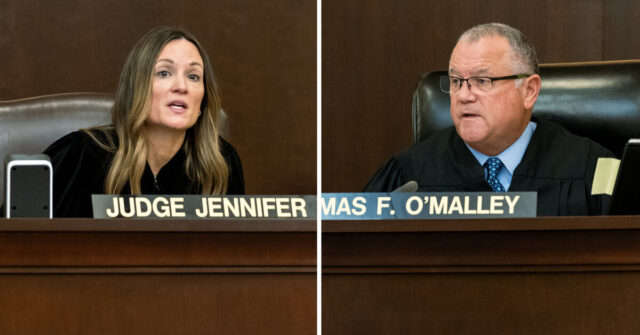
For example, three of the highest-earning attorneys — Beck, Paul Daher and Mark Schneider — collectively received more appointments on cases handled by Judge Jennifer O’Malley or her magistrates than the court’s other five judges combined.

Relying on the availability of attorneys who are already assigned to cases “means fewer continuances, which decreases time in detention and custody, and reduces ‘wasted’ docket time, which allows all cases to be resolved faster,” McDevitt, the court’s administrator, said.

And the pool of available attorneys is shrinking. When asked to re-submit their qualifications this year, only 57 of 95 lawyers reapplied.

Looking for clear answers

Greater Cleveland Congregations began scrutinizing the juvenile court’s appointed counsel system more than a year ago.

The non-partisan group of more than 30 congregations and organizations grew concerned about Cuyahoga County leading Ohio in sending kids to adult court — a process called a bindover. More than 90% of the children were Black.

In community listening sessions with parents and teens, two concerns surfaced: potential overcharging by prosecutors and poor legal representation by “public pretenders” — slang for free attorneys who don’t put up much of a fight.

“This was an issue nobody was looking at,” Keisha Krumm, lead organizer and executive director said. The group learned that Cuyahoga County was unique among bigger courts in Ohio. Instead of giving most cases to a local public defender’s office, the judges relied a lot on private attorneys.

“We were like: ‘Why is that?’” Krumm said. “And we could not get any clear answers.”

Krumm said the group didn’t jump to conclusions on outcomes in bindover cases. But they did learn that some assigned attorneys weren’t qualified, and that county-employed public defenders seemed to have a better record of keeping children out of the adult system. In December, a report by a criminal justice reform group detailed these flaws. At the time, the court refuted the findings.

“There’s harm that is happening. It is hard to pinpoint,” Krumm said. “We are calling attention to something that has long been like this, and we are trying to call attention to it and chip away at it. There’s a reason they are fighting to keep it the way it is … There are clear winners and losers. The assigned counsel are winning and the kids are losing.”

Judges should not be making the appointments

For more than four decades, the American Bar Association has said court appointments should not be made by judges to ensure attorneys are loyal to their clients and not the people giving them work.

The Gault Center’s National Youth Defense Standards released in February disapproves of appointing lawyers “merely because they happen to be present in court at the time the assignment is made.”

Court officials called the best practices non-binding and only advisory.

“The way it works right now is if you’re a lawyer and I (as the judge) know you, all you have to do is be at the door, and I’m just going to keep feeding you cases,” said Richard Gibson, a Case Western Reserve University law professor and senior pastor at Elizabeth Baptist Church in Slavic Village. “And that begs the question of whether the system is fair, because at some point you’re not going to press against me (the judge) because I’m feeding you cases.”

County courts have latitude but rules to follow

The Ohio Supreme Court does give local courts “a good bit of discretion over its operations, and appointment of counsel is a local decision,” a spokesperson wrote in an email.

Some counties have created taxpayer-funded public defender offices or hired non-profit legal aid groups. Cuyahoga County uses a mix of public defenders and private attorneys who sign up to take cases.

Last year, the court agreed to assign public defenders to more delinquency cases after the county public defender argued his office was underutilized and pointed out “wildly inconsistent” practices by the different judges and magistrates.

For a county to be reimbursed for paying private attorneys, the juvenile court must follow state rules that adhere to the Ohio Supreme Court standard of distributing assignments “as widely as possible.”

Those rules include:

  • Using a “rotary” system that matches attorney expertise and qualifications with the severity and complexity of cases.
  • Making assignments that are independent from the influence of judges and elected officials.
  • Tracking assignments, attorney qualifications and each time attorneys turn down appointments.

In the year ending October 2023, Ohio reimbursed Cuyahoga County about $3.7 million for private attorneys assigned to juvenile cases. The payments come through the state public defender’s office, which also reimburses the county for local public defenders. The state covered an unprecedented 100% of costs for indigent defense during the pandemic and currently covers 85%.

“The current rates are unimaginably huge,” said Borror, who worked 13 years as legislative liaison and deputy director at the state defender’s office. “And that gives the state, I think, a whole lot of leverage to encourage counties to meet state standards.”

The Public Defender Commission is set to discuss the local court’s use of assigned counsel at its March 22 meeting. If the commission decides the court broke the rules, it would have at least 90 days to fix violations before losing reimbursements.

Assignments flow to a handful of attorneys

The Marshall Project – Cleveland heard from more than a dozen attorneys eligible to take juvenile cases in Cuyahoga County.

In general, most attorneys are aware that the court, for the most part, doesn’t use the list it keeps to pick attorneys for assignments.

The busiest attorneys said that they roam the halls or wait outside the courtrooms for a bailiff or clerk in desperate need of an attorney to represent a child in the detention center arrested hours earlier. Others said staff from certain courtrooms send out text message blasts or emails to groups of attorneys looking for assignments.

Beck earns more than any attorney on the appointed counsel list. He regularly bills the court for six-day work weeks, and sometimes Sundays, too. That’s in addition to his work as the regional vice president and chief legal counsel for a local title agency.

Attorney Bill Beck, a Black man wearing a dark suit and glasses, stands in the halls of the Juvenile Justice Center in Cleveland.

“Honored” by the amount of work he receives, the former juvenile prosecuting attorney and probation officer would not directly answer questions about how he juggles so many cases or why 70% of his assignments come from just two of the court’s six judges.

“Credit must be given to the thoughtful Judges that remain focused on assessing the needs of each case and ensuring that the most skilled professionals are called upon to protect the rights of all those in need,” he said in an email.

In response to The Marshall Project – Cleveland’s questions, court officials said that Beck is experienced, competent, reliable and, unlike most private attorneys and all of the public defender’s juvenile defense lawyers, African American. “For some cases and some families, his race is not a trivial consideration,” the court said.

Cuyahoga County’s process deviates from Ohio’s other juvenile courts

The process for picking attorneys for juvenile court cases in two other large Ohio counties differs from Cuyahoga County in two ways: judges and magistrates rarely directly appoint attorneys and courts stick to a rotation.

In Franklin County, juvenile court cases are first assigned to the public defender’s office. If there’s a conflict, a court assignment clerk distributes the cases to vetted private attorneys. Several attorneys sign up to sit in court for half of a day, ready to take cases and quickly meet clients.

Only under rare circumstances, like a client needing a Spanish-speaking attorney, would a judge or magistrate get directly involved.

“We are committed to not having attorney steering,” Rebecca Steele, chief of the office’s juvenile unit. “It’s a fair system …Fair to the attorneys and fair to the clients.”

When there are conflicts or all its attorneys are at capacity, the Public Defender’s office in Hamilton County assigns delinquency cases to the next name on a list of private lawyers qualified to handle the criminal charges.

Attorneys aren’t “beholden to judges” if the public defender’s office manages the appointments, said Angela Chang, who directs the office’s youth division.

“Granting case assignment responsibility to the Public Defender does not make the process less political — it just shifts it to an unelected office that is not answerable to the voters,” administrator McDevitt said. “Additionally, judges are ultimately responsible for ensuring that youth and families have the best representation available.”

That doesn’t mean there aren’t other places where best practices and state rules aren’t followed. In Summit County, children with delinquency cases are mostly represented by nonprofit legal defenders. But in cases where there are conflicts, there’s “no set rotating system” and bailiffs assign the private attorneys, a court spokesperson said.

Other attorneys see a political process

Many attorneys say no matter how much you hustle, case assignments boil down to friendships, politics, campaign donations — or even sharing an alma mater. When asked by reporters, attorneys could easily name the attorneys who got the most cases.

“It could be any number of things, but favoritism, nepotism and cronyism come to mind,” said one attorney who had received only a few appointments after a year on the list.

In Ohio, it is legal and common for attorneys to donate politically to a judge’s campaign, even judges who assign them cases. Some — but not all — of the attorneys who get a high number of appointments donated.

When Judge Jennifer O’Malley first ran for election in 2018, two top-earning attorneys — Mark Schneider and Christopher Lenahan — donated the maximum amount of $600 and later got a significant number of assignments from her.

At a fundraiser that year, Administrative Judge Thomas F. O’Malley got maximum contributions from only four donors — Paul Daher, Schneider, Lenahan and his wife. The three lawyers got nearly a third of appointments approved by the judge, who has defended the court’s assignment process in public meetings.

Other judges got top-dollar contributions from either Lenahan, Daher, Schneider, Mattes or Beck, who gives less frequently.

Floyd, the only judge to give more cases to public defenders than private attorneys, got nothing from the top five attorneys, except for $200 from Daher.

Daniel Margolis, a seasoned attorney who practiced in juvenile court for years, rejoined the appointed counsel list last year after a hiatus for health reasons. In that time, Margolis said he hasn’t gotten a single call about a case. That could be because he hasn’t gone down to the court to schmooze, he said. Or because some judges and magistrates prefer to appoint attorneys who aren’t aggressive and don’t file as many motions and “can be counted on to move the docket and not make a fuss.”

Funneling cases to a few attorneys deprives others of gaining experience, several attorneys said. Some questioned how attorneys who get hundreds of cases could possibly give each the attention it deserves.

“In too many instances, I visit youth (in the detention center) who have almost no contact with counsel until a few days before the hearing,” said Pastor Gibson, who has served as president of the juvenile court’s advisory board, “and even that contact was, well, limited.”

Uncomplicated cases — an unruly case or probation violation — shouldn’t take long to resolve, most attorneys agreed. But serious crimes should take more time, and a defense attorney who is willing to do whatever is necessary. That is particularly true with cases where children can be transferred to adult court and face prison time.

“If they know that they have to stay in the good graces of the judge… their job isn’t to make the court’s job easy,” Borror said. “And often, when defense attorneys do a really good job as far as zealously representing their client, as far as zealously investigating cases, they muddy things up and they make judges and prosecutors and everybody else’s jobs harder, but that’s actually what they’re supposed to do.”

News Inside

The print magazine that brings our journalism behind bars.

How we analyzed juvenile court data

In order to study how private attorneys are assigned cases in Cuyahoga County Juvenile Court, the Marshall Project – Cleveland collected data from three sources.

The Office of the Ohio Public Defender, which reimburses counties for court-appointed lawyers, provided data through September 2023 about invoices, also called fee bills, which detail what attorneys billed the county and the type of cases they took.

The fee bills identify lawyers by their registration numbers, which we merged with an Ohio Supreme Court database of attorney licensures. Judges are identified on the handwritten fee bills, but it took state officials weeks to physically scan them for just a handful of the top attorneys.

So, we requested from the court a simple list of case numbers and the judges assigned to them. Using unique case numbers, we matched the attorneys to the judges who appointed them.

We limited our analysis to cases of delinquency — or kids accused of crimes — and child abuse, dependency or neglect. Almost 13,000 fee bills from 2020 through 2023 were matched with case assignments listing judges. We took a closer look at roughly 5,655 fee bills reimbursed in the 12-month period ending September 2023, the most recent data available.

The totals we captured are a modest undercount. Less than 4% of cases could not be matched to an assigned judge and were excluded from the analysis out of an abundance of caution.


[ad_2]

Source link

My 2024 Daily Routine Prioritizes What Matters—Here’s What It Looks Like | Wit & Delight

0

[ad_1]

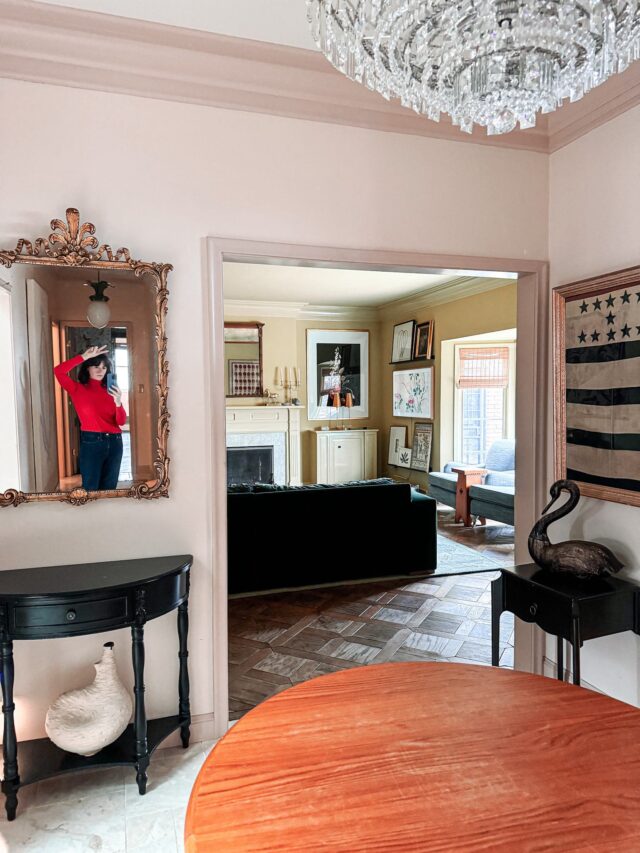
A woman is shown in a mirror in her entryway with a green-painted family room in the background

Having recently come out of a prolonged period of burnout and low productivity, I decided to make some shifts to my daily routine and habits in 2024. This period of burnout was not a blip. It was half a decade of slog that led up to taking a serious look at how I spent my time.

My burnout snowballed from a mix of external factors we all experienced (e.g., the pandemic, economic shifts) and internal factors, like processing what it means to get older or looking at life and work as a series of required tasks that had to be tallied to have had a “good” day. Like most women, I thought I could do it all and achieve that elusive promise of “balance” if I just applied myself hard enough. I thought I could do it all despite being in a season of life where my plate was perpetually full, even without an appetite for building a business. 

There will be seasons for doing all the things and seasons for doing as little as possible. And isn’t that wonderful? Last year I was pruning my life back, and this year I’m building up a new kind of routine that supports the things that matter most to me: my family, my health, and my creative pursuits (which also happen to overlap a bit with work). 

Most importantly, the routine has come from the realization that there is no one way to live. There is no one formula that works for everyone. Letting go of that idea has allowed me to figure out what works best for me. 

Sticking to a Consistent Daily Routine in 2024

I don’t do well with an open calendar. Having a long list of things I want to do and no plan for them means they will never get done. I will always have time blindness and an overly optimistic view of how much I can get done in a day. So I created a consistent schedule that has some flexibility for filling in the details but generally looks the same each day. The structure allows my chaotic brain to still do its thing while factoring in time limits and constraints that allow for rest and recuperation.

Below are the foundational elements of this routine. They are boring; they are nothing new or groundbreaking. They work because I’ve made them easy and small enough to do daily.

What My Daily Routine Looks Like Right Now

Early Morning: 4:30 a.m. – 8 a.m.

This time has become a staple in my routine these past few months. I try to avoid my phone during these early hours. And while I usually have this period to myself, when Joe’s out of town, I stop at 7 a.m. and take care of the kids’ morning and breakfast routines. Here’s what this time looks like:

  • As long as I went to bed early enough the night before, I rise early (between 4:30 a.m. and 5 a.m.) after sleeping somewhere between seven and eight hours.
  • I brush my teeth, make tea, and sit down at my desk while still in my pajamas.
  • I focus on the hardest task I need to complete—usually writing—first thing.
  • I write a few lines in my journal.
  • I balance the budget for both our personal and business expenses.
  • I enjoy some coffee and breakfast. 

Midmorning: 8 a.m. – 11 a.m.

I get ready for the day and get dressed. Depending on the day, this period is typically for filming, creating content, calls, and meetings. Whenever I need to, I prioritize more focused work somewhere outside of the house like a coffee shop. Sometimes I work out during this time too.   

Midday: 11 a.m. – 1 p.m.

I typically take a midday break for lunch. If I didn’t work out earlier in the morning, I fit in some movement. It may be a Pilates class, tennis, or a walk.

Afternoon: 1 p.m. – 4:30 pm

I tackle the easiest work (or sometimes personal) tasks in the afternoon—anything that takes little brain power but requires a bit of time and effort to wrap up. This includes things like emails, additional calls, and tidying the house. I also pick up the kids from school toward the end of the afternoon.

Evening: 4:30 p.m. – 8:30 p.m.

Unless I have a social event scheduled, my evenings are typically for family time. Just like in the early mornings, I try to avoid my phone during these hours. Here’s what this time generally looks like:

  • We eat dinner together as a family around 5 p.m.
  • We prioritize homework, reading, and hanging out with each other.
  • I write things down that are important to remember for the next day. 
  • I get ready for bed, ideally between 8:30 p.m. and 9 p.m.
  • I go to sleep!

Consistency Over Perfectionism

This isn’t what every single day looks like. Rarely is it exactly like this. I only do what I can on any given day. It’s about consistency and discipline, not balance or perfectionism.

The biggest changes between this daily routine and past routines include:

  1. Writing things down. I never consistently kept lists before this year, but I now know I need them—for me, they’re the first step in combating burnout. When I avoid creating them I know it’s a maladaptive way of dealing with overwhelm. 
  2. Doing focused work before noon. I have the most energy during this time.
  3. Doing administrative tasks after noon. I have less energy during this time but if I have a list, I can hack through some of it while in my afternoon slump.  
  4. Prioritizing daily physical activity. My brain and mood are dependent on it. 
  5. Intentionally using my phone. I have to use my phone a lot for work, but I’ve noticed how easy it is to lose time without knowing it. It’s not about a loss of productivity, it’s about a loss of energy that comes with it. So I follow some basic rules I’ve found very helpful—mainly, no phone before breakfast and no phone before bed. 

While no two days are the same, this routine provides a foundation I can return to after a day that went really sideways, a long vacation away from home, or a late night out with friends when I had one too many glasses of wine. This routine is a gift to me. It’s a way of making it easier to put one foot in front of the other when I know it’s what will make me feel better. It’s the best way to tame (or direct) an overzealous appetite for biting off more than I can chew. 

Discover the Routine That Works Best for You

If you’re seeking more consistency and structure in your days, I encourage you to consider the routine that would work best for you. Think about the areas of your life that matter most to you right now and what you want to prioritize each day, then write out a daily routine with those things in mind. Try it out, see how it goes, and adjust as needed. After all, a routine that allows for flexibility is the one that’s most likely to stick.

Next up, I’ll be sharing a post about the wellness practices within this routine that are the foundation for “refilling” my cup when I’ve emptied it. Stay tuned for this article soon!


[ad_2]

Source link

The Key Wellness Pillars and Habits I’m Prioritizing in My Life This Year | Wit & Delight

0

[ad_1]

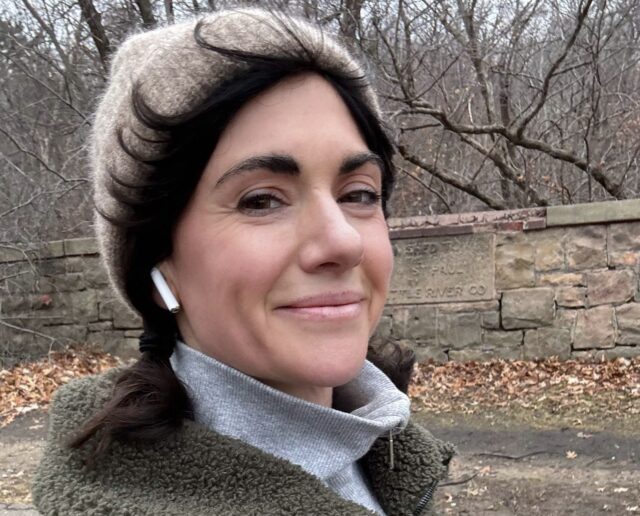
A woman looks into the camera while out for a winter walk, wearing a beige beanie hat, olive green sherpa coat, and gray quarter-zip sweatshirt

In last week’s post, I outlined the baseline for my overall physical, emotional, and mental health: a daily routine. It is a rough schedule propped up around how my energy tends to flow. This energy is directly related to my physical and mental health. I’ve been tweaking it since last fall and it’s become solid and consistent enough to withstand the curse of boredom—which is when I usually give in to the urge to try something new or throw away the routine entirely. The novelty of newness will always be my siren song. 

Anyway. 

Today I want to discuss my wellness habits in more detail—with flexibility at the forefront. Again, none of this is new, none of this is groundbreaking. What is new and groundbreaking (for me) is the reason why I prioritize these habits over others.

Why I Prioritize Wellness Habits

The reason these wellness habits have stuck is that I’m not doing them to achieve a specific goal (like checking boxes every day). I am doing them because they make me feel better. Some days I can focus on one or two of these habits. Some days I do all of them. Most of the time, I’m at 70%. It’s not about the time spent or the intensity—it’s about staying consistent. 

I don’t prioritize each wellness pillar equally. One is usually more dominant than the others on any given week, and this scale can tip in a different direction whenever I need it to. Most days have a lot of variety. The pillars make it easier to ensure I can pursue life in my unique way and protect myself from the cycle I know so well: depression and burnout. 

It’s not about the time spent or the intensity—it’s about staying consistent. 

A Wellness Blueprint Unique to You

A note before we get into it: What makes me feel good might not be what makes you feel good. My definition of good might be different than yours. I highly recommend asking yourself what “feeling good” means to you and building your routine and pillars of wellness around that. There would be a lot less confusion around health and wellness if we prioritized listening to our inner intuition and body cues over someone else’s routine. Your body, your choice. 

With that said: These are my four pillars of wellness and examples of how they show up in my life.

My Personal Wellness Pillars in 2024

1. Sleep and Rest

This pillar is number one for a reason. Without it, I’m toast. I like to think of rest as an activity instead of thinking of it as not doing anything. Prioritizing rest is a gift to me! For me, this pillar is not limited solely to the act of resting my body; it relates to any habit that helps with overwhelm. Below is a list of what I do to fill up my cup.

Wellness Habits Related to Sleep and Rest

  • I sleep at least seven hours a night. 
  • I try to wait at least an hour in the morning before having coffee. (It is hard and I fail often!)
  • I limit caffeine during the day, which helps me sleep better at night.
  • I practice mindfulness when overwhelmed.
  • I work in twenty-five-minute sprints with five-minute breaks in between. (It’s called the Pomodoro Technique! More info here.)
  • I write things down versus trying to hold it all in my head. 
  • I don’t drink outside of social occasions. 
  • I keep a calendar and notebook beside my bed to capture anything I might need to remember tomorrow. 
  • I don’t use my phone before bed (or before breakfast most days).
  • I rarely watch TV before bed. 

2. Fuel 

This pillar includes eating meals that feel good in my body and also the things I’m feeding my mind: what I’m reading, movies I’m watching, and entertainment that fills me up. I’ve found I get the most from my “fuel” activities if I’m alone or with my family (a true introvert). It includes activities that sometimes overlap with work, but the very important distinction is these activities leave me feeling energized and fulfilled—not drained and depleted. The list below is a bingo card of things that give me energy. For me, fuel might look like any of the following.

Wellness Habits That Fuel and Energize Me

  • Cooking a nourishing meal
  • Being outside
  • Prioritizing healthy fats, protein, leafy greens, fruits, and veggies in my meal plans
  • Eating dark chocolate
  • Reading cookbooks
  • Listening to music
  • Reading a book in my favorite chair
  • Watching a movie on my “watch” list
  • Flipping through AD magazines and coffee table books
  • Taking a MasterClass
  • Organizing my spaces
  • Decluttering my home
  • Cuddling with my kids and Joe
  • Meditating
A woman stands in front of her kitchen sink in the early morning hours, wearing a pink tank top and leggings

3. Activity

The next pillar is about the activities I prioritize. Many of these examples build confidence and resilience because I’m not “comfortable” during the process. I do them to challenge myself and,  almost always, I feel better as a result. These are my “just do it” activities—ones I don’t always want to do but never regret afterward. 

Wellness Habits That Prioritize Activity

  • Doing Pilates, whether at a reformer class or at home
  • Going on a long run or walk
  • Playing tennis
  • Working on business plans
  • Posting on social media
  • Increasing personal finance acumen
  • Writing
  • Designing
  • Gardening
  • Learning a skill that does not come naturally to me (e.g., speaking French, playing guitar)
  • Socializing with a large group of friends
  • Hosting large dinner parties
  • Taking the kids on an adventure
  • Having a game night with my family
  • Cooking with the kids
  • Planning trips and traveling

I try to juggle these three pillars, knowing there will never be a “perfect” balance. There are seasons where sleep and rest are a higher priority and others when I’m in a flow state and work later or more often than usual. There are seasons when it is imperative to push myself past discomfort. The pillars are here (like my daily routine) to serve as a guide and support my energy. 

A note: During a long period of over-prioritizing self-care, I found that the feeling of challenging myself was as important to my mental health as sleep and rest. This might not be the same for you. But it is worth considering if you find yourself stuck in a state of apathy. 

And speaking of energy, the last pillar is…

4. Boundaries

Boundaries do not come naturally to me. I want to say yes to all the things. I love a full plate. Feeling like what I do matters to someone else fulfills me. I love my friends and family and want to give all I can to connect with them. But we cannot do all the things, especially not all at once. Because of that, I always come back to considering my energy—what fills my cup and what depletes it. 

This pillar is where I am learning the most these days. It’s uncomfortable to set hard boundaries when part of me wants to go to that show or take on that extra project I know I can’t fully commit to. What has helped is making a list of what depletes me. Then, if I can see a connection between what I want to commit to and how I know I’ll feel afterward, it’s an easy “no.” 

Things That Deplete Me

  • Ambiguous projects with ambiguous deadlines
  • Unpaid labor
  • Gossip
  • General negativity and helplessness
  • Being around people who catastrophize
  • Black-and-white thinking
  • Multitasking
  • Comment sections on social media
  • Doomscrolling
  • Virtue signaling
  • Rumination and worry
  • Self-help as a means to fix oneself

I hope reading through my wellness habits and pillars was at the very least intriguing, even if yours look much different than mine. Next week, I’m going to be writing about the changes I’ve made to my journaling and personal growth habits. It’s the area of my life that has changed the most so far in 2024. 


[ad_2]

Source link

Popular Posts

My Favorites

Can John Green Make You Care About Tuberculosis?

0
With a forthcoming nonfiction book and an online army of Nerdfighters, the young-adult author aims to eliminate an entirely curable global scourge. Source link...